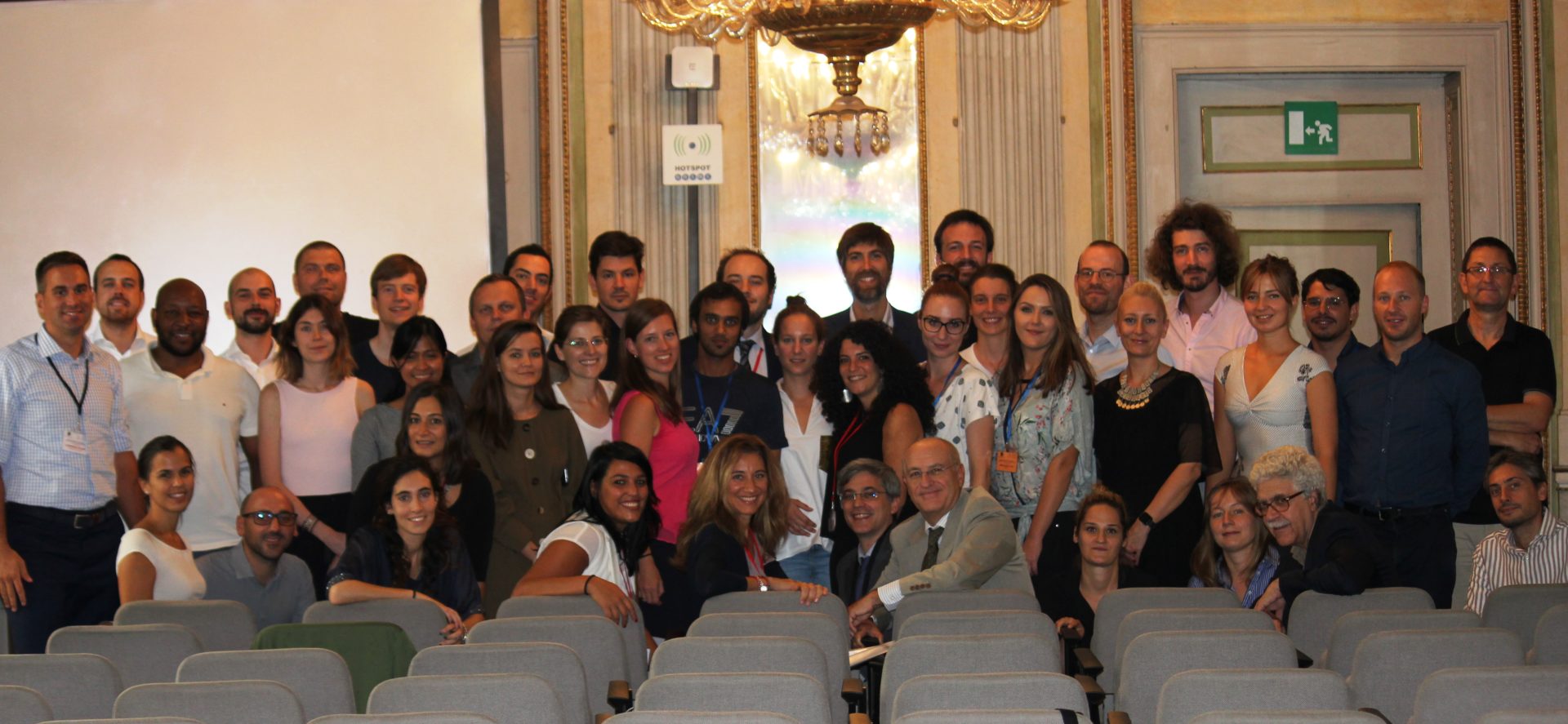
MILAN CBA SUMMER SCHOOL

Milan CBA Summer School - XII edition
28 September - 2 October 2026

Registrations open on 23 February 2026
DESCRIPTION
PROGRAMME
FACULTY
structure 
and approach
PRACTICAL INFO
FEES and PAYMENT
SOCIAL ACTIVITIES
PAST EDITIONS
CONTACTS
Registrations open on 23 february 2026

The 12th edition of the Milan Summer School on Cost-Benefit Analysis (CBA) of Investment Projects will be held in Milan from 28 September to 2 October 2026.

The course offers an intensive and interactive training experience focused on CBA as a tool supporting public investment decision-making. It enables participants to acquire a solid and applied understanding of CBA across three core dimensions:

  • Principles and methods of CBA, including the design and implementation of financial, economic, sensitivity and risk analyses;
  • Sectoral applications of CBA, with a focus on identifying typical benefits by sector and applying the most appropriate evaluation techniques;
  • Critical assessment of real-life CBAs, through hands-on practice on concrete cases and structured discussion.

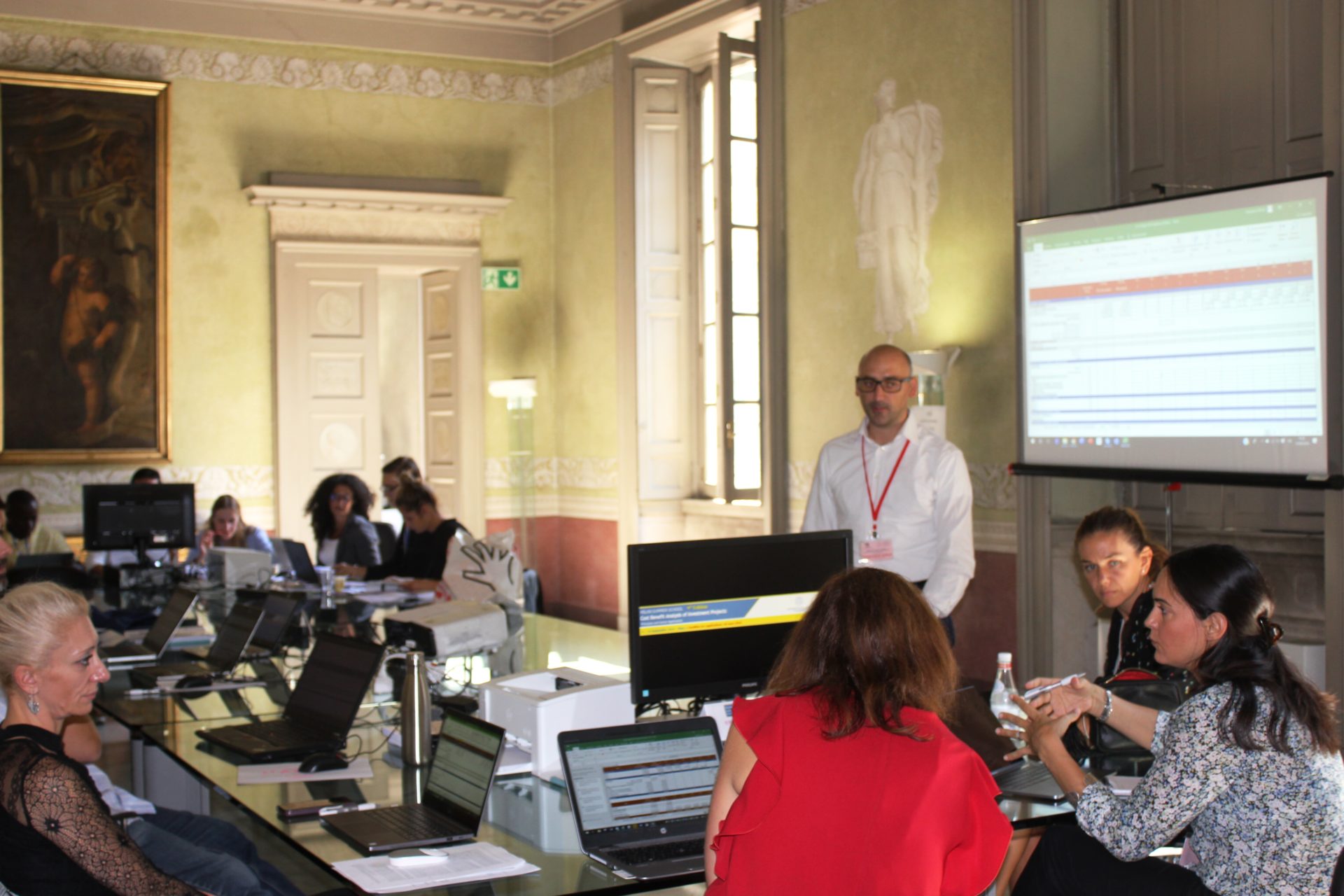
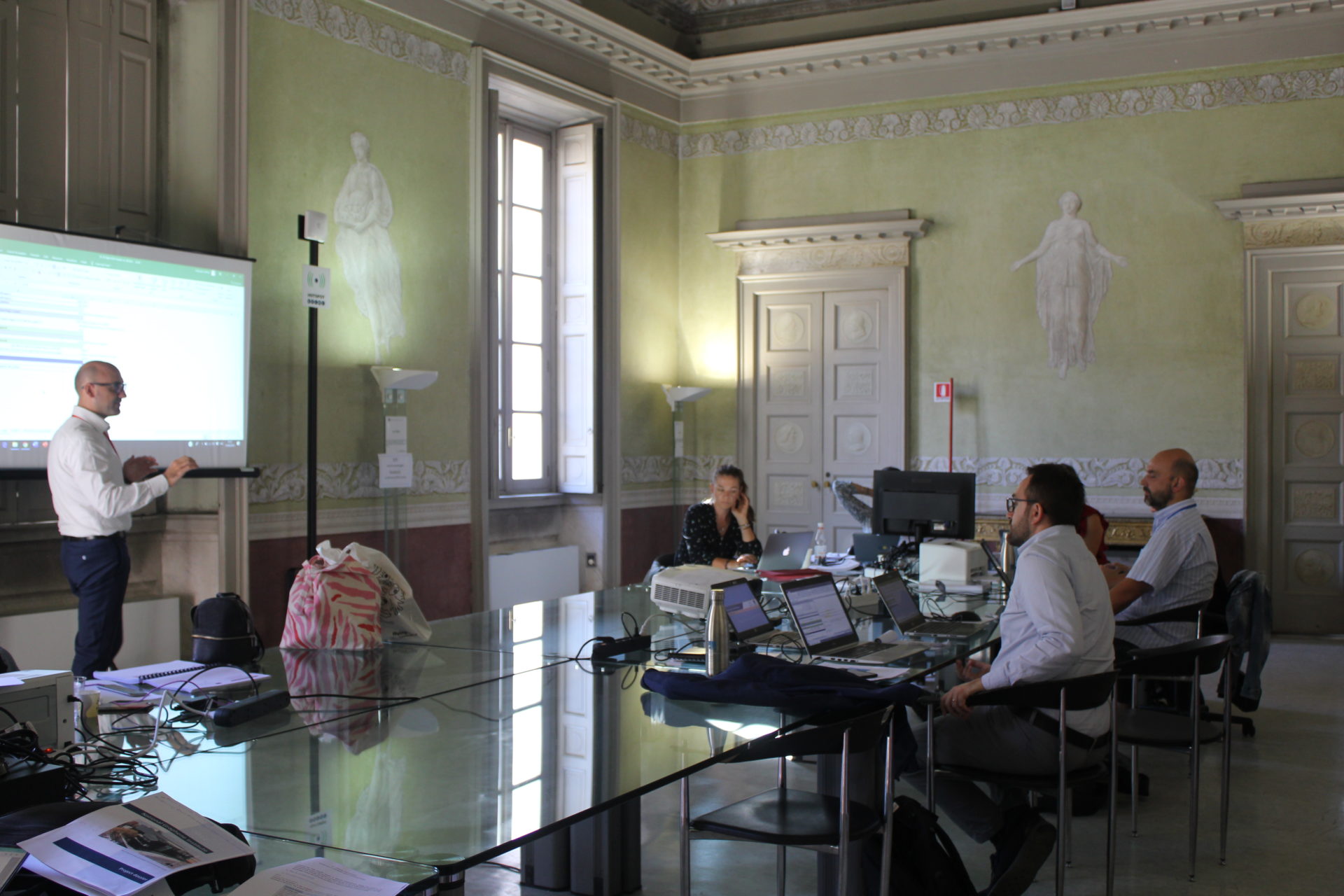
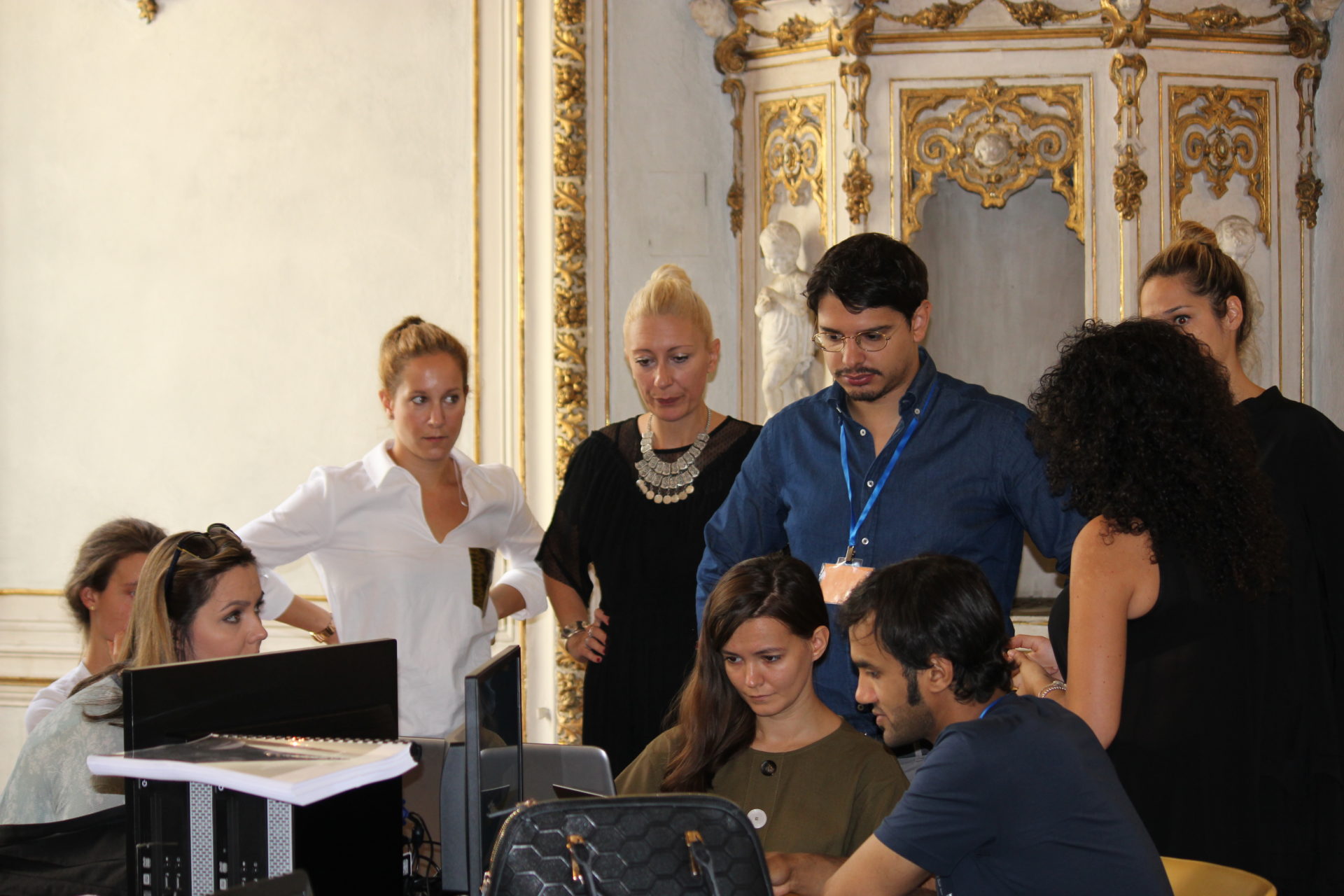
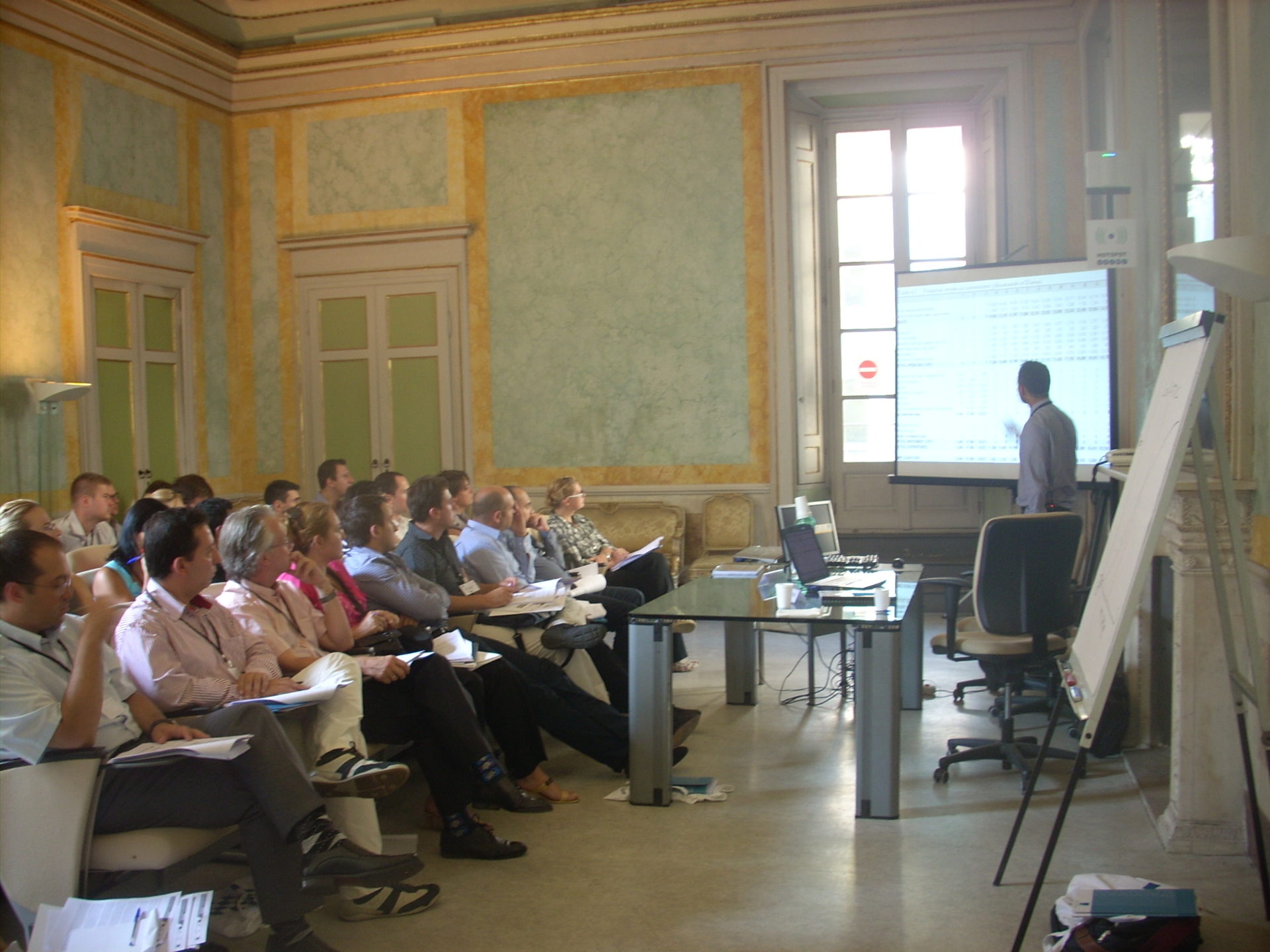
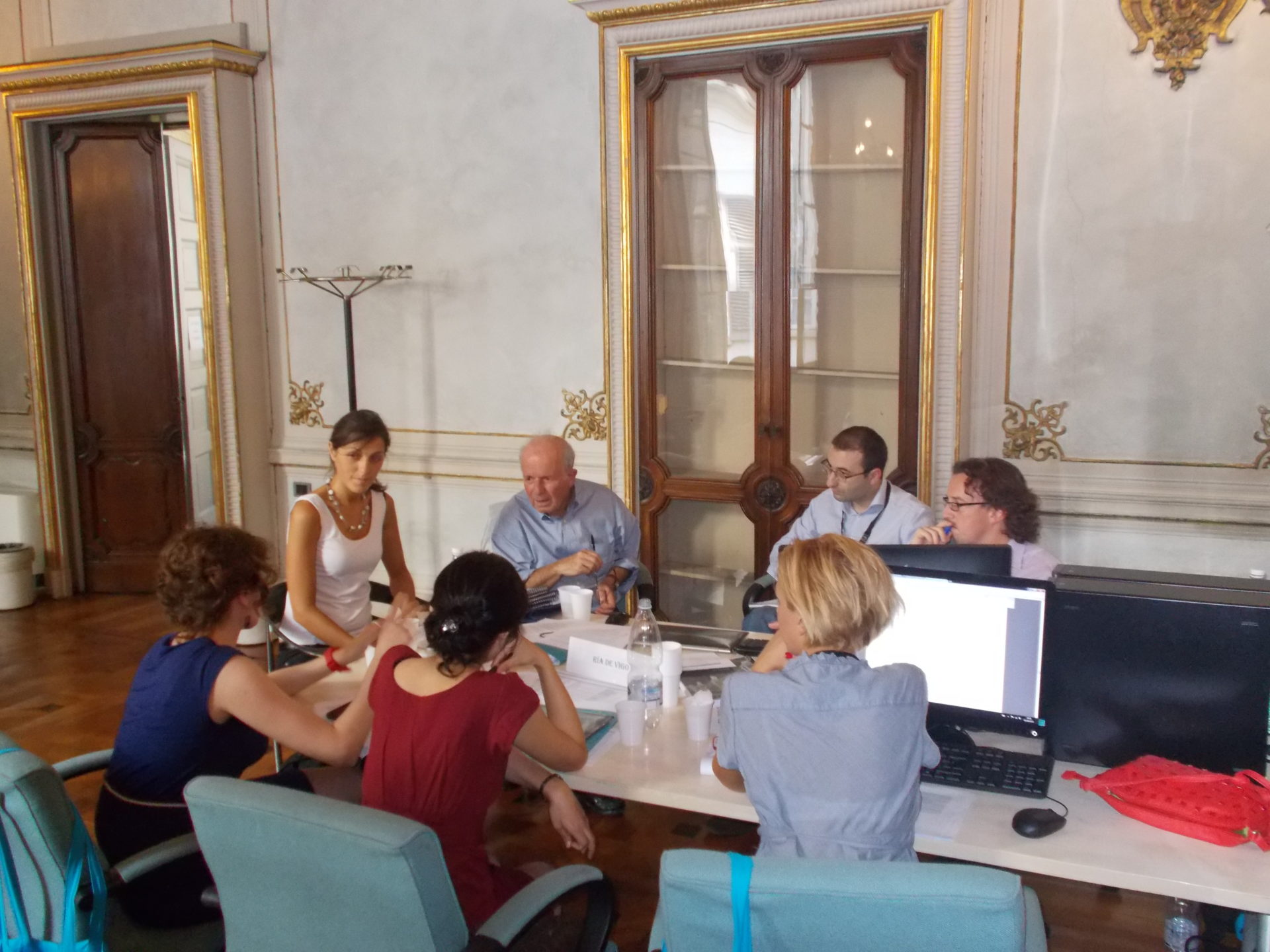
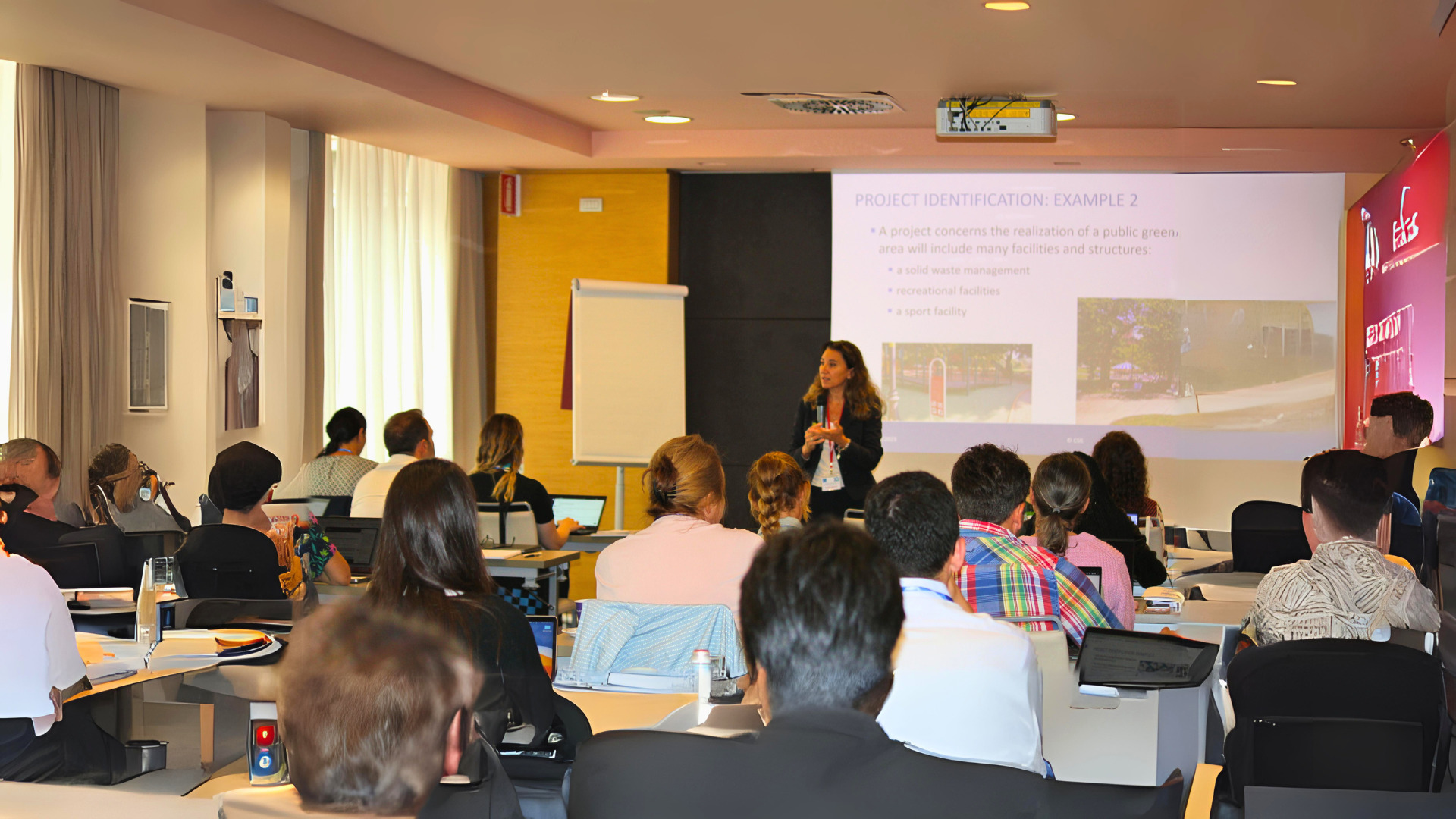
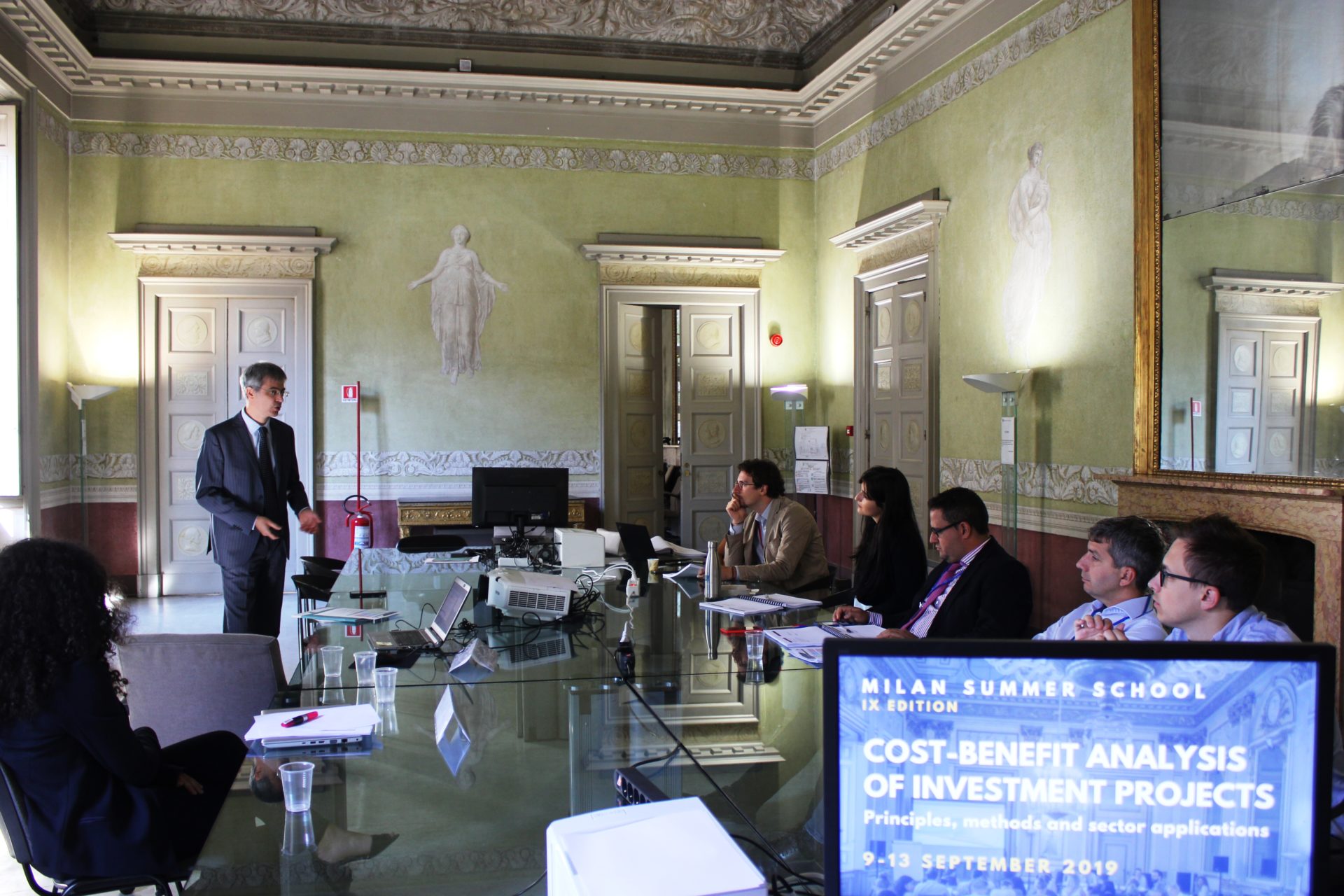
The programme combines face-to-face lectures and hands-on workshops. Participants work on real cases and interactive tools to apply newly acquired knowledge. With the guidance of lecturers, they conduct a full-fledged financial and economic analysis, explore sector-specific applications of CBA, and critically revise real-life project appraisals.  

The course offers three participation formats:

  • Module I – General Principles and Methods of CBA (28–29 September 2026);
  • Module II – Sectoral Application of CBA (30 September – 2 October 2026);
  • Full Course, covering both general principles and sectoral applications (Module I + Module II, 28 September – 2 October 2026).

As outlined in the programme, parallel sessions will be held during the sectoral module to explore the application of CBA in Transport, Energy Efficiency, Environment and Research, Development and Innovation (RDI).

The Summer School is primarily designed for public decision-makers involved in the design, preparation, assessment and implementation of investment projects (managing authorities, intermediate bodies and similar institutions) at different levels of government. It may also benefit researchers and practitioners seeking to acquire up-to-date, internationally recognised CBA techniques and methods.

No prior experience in CBA is required to attend the Summer School. However, a good command of Excel and advanced proficiency in English are essential to fully participate in the practical activities included in all sessions. Participants are required to bring their own laptops with Excel installed.

The number of participants is limited to 50, and places are allocated on a first-come, first-served basis. Registration will be open from 23 February to 23 June 2026. Early-bird fees apply to all registrations completed by 30 April 2026.

Lecturers are academics and practitioners with longstanding experience in designing, implementing, and reviewing CBAs for infrastructure and investment projects. The faculty includes experts who have contributed to the European Commission’s Guide to Cost-Benefit Analysis of Investment Projects and the Economic Appraisal Vademecum 2021-2027.


DOWNLOAD THE PROGRAMME

28 September

13:30 - 14:00
Arrival and registration
14:00 - 14:15
Welcome and introduction
J. Catalano, CSIL
14:15 - 15:00
Key principles of CBA
Definition, scope and objective, key ingredients
S. Vignetti, CSIL
15:00 - 16:00
Feasibility analysis I
Project objectives, needs and context description
S. Vignetti, CSIL
16:00 - 16:15
Coffee Break
16:15 - 17:30
Feasibility analysis II
Project identification, options and demand analysis; investment priorities and applications in selected sectors (Environment, Transport, RDI, Health, Energy efficiency)
S. Vignetti, CSIL
18:00 - 19:30
Milan walking tour

29 September

9:15 - 9:30
Arrival and registration
9:30 - 11:15
Financial analysis
Discounted cash flow method, investment cost, maintenance and residual value, operating costs, tariffs and revenues; project profitability and sustainability
C. Pancotti, CSIL
11:15 - 11:30
Coffee Break
11:30 - 13:00
Hands on sessions on financial analysis
C. Pancotti and F. Ardizzon, CSIL
13:00 - 14:00
Lunch Break
14:00 -15:30
Economic Analysis. Introduction
Corrections from financial analysis to economic analysis; social discount rate, shadow prices, economic performance indicators, introduction to approaches to estimating benefits
C. Pancotti and F. Ardizzon, CSIL
15:30 - 16:00
Hands on sessions on economic analysis
C. Pancotti and F. Ardizzon, CSIL
16:00 - 16:15
Coffee Break
16:15 - 17:30
Hands on sessions on economic analysis
C. Pancotti and F. Ardizzon, CSIL
17:30 - 18:00
Wrap up and discussion
C. Pancotti and F. Ardizzon, CSIL

30 September

9:15 - 9:30
Arrival and registration
9:30 - 11:15
Parallel thematic sessions
TRANSPORT
Typical economic benefits, evaluation methods and tools
E. Bernardis, TPLAN
ENVIRONMENT
Typical benefits, evaluation methods and tools
W. Jastrzemski, EIB
11:15 - 11:30
Coffee Break
11:30 - 13:00
Parallel thematic hands on
TRANSPORT
E. Bernardis, TPLAN
M. Da Col, CSIL
ENVIRONMENT
W. Jastrzemski, EIB
F. Ardizzon, CSIL
13:00 - 14:00
Lunch Break
14:00 - 16:00
Parallel practical workshops
TRANSPORT
Presentation of case histories
Critical assessment of project’s key features, costs and benefits, deficiencies and pitfalls of the analysis. Interactive discussion of solutions for how to adjust the project and improve the quality of the CBA.
E. Bernardis, TPLAN
M. Da Col, CSIL
ENVIRONMENT
Presentation of case histories
Critical assessment of project’s key features, costs and benefits, deficiencies and pitfalls of the analysis. Interactive discussion of solutions for how to adjust the project and improve the quality of the CBA.
W. Jastrzemski, EIB
F. Ardizzon, CSIL
16:00 - 16:15
Coffee Break
16:15 - 17:00
Parallel practical workshops continuation
TRANSPORT
E. Bernardis, TPLAN
M. Da Col, CSIL
ENVIRONMENT
W. Jastrzemski, EIB
F. Ardizzon, CSIL
17:00 -17:30
Wrap up and discussion
TRANSPORT
E. Bernardis, TPLAN
M. Da Col, CSIL
ENVIRONMENT
W. Jastrzemski, EIB
F. Ardizzon, CSIL

1 October

9:15 - 9:30
Arrival and registration
9:30 - 11:15
Parallel thematic sessions
ENERGY EFFICIENCY
Typical economic benefits, evaluation methods and tools
D. Sartori, EIB
RDI
Typical benefits, evaluation methods and tools
Prof. M. Florio, CSIL and 
University of Milan
11:15 - 11:30
Coffee Break
11:30 - 13:00
Parallel hands on sessions
ENERGY EFFICIENCY
D. Sartori, EIB 
M. Da Col, CSIL 
RDI
J. Catalano, E. and 
L. Colnot, CSIL 
13:00 - 14:00
Lunch Break
15:30 - 16:00
Parallel practical workshops
ENERGY EFFICIENCY
Presentation of case histories
Critical assessment of project’s key features, costs and benefits, deficiencies and pitfalls of the analysis. Interactive discussion of solutions for how to adjust the project and improve the quality of the CBA.
D. Sartori, EIB
M. Da Col, CSIL
RDI
Presentation of case histories
Critical assessment of project’s key features, costs and benefits, deficiencies and pitfalls of the analysis. Interactive discussion of solutions for how to adjust the project and improve the quality of the CBA.
S. Vignetti and 
J. Catalano, CSIL
16:00 - 16:15
Coffee Break
16:15 - 17:00
Parallel practical workshops continuation
ENERGY EFFICIENCY
D. Sartori, EIB and M. Da Col, CSIL
RDI
S. Vignetti and J. Catalano, CSIL
17:00 -17:30
Wrap up and discussion
ENERGY EFFICIENCY
D. Sartori, EIB and M. Da Col, CSIL
RDI
S. Vignetti and J. Catalano, CSIL

2 October

9:15 - 9:30
Arrival and registration
9:30 -10:30
Uncertainty and risk
Sensitivity analysis, risk analysis; Montecarlo simulation, qualitative risk analysis, risk prevention and mitigation measures
S. Vignetti, CSIL
10:30 - 10:45
Coffee Break
10:45 - 12:00
Cost-Effectiveness in Practice: applications to Health Projects
How to prioritise interventions, optimise resource allocation, and maximise impact; evidence of application to health projects
G. Cisco, Unisanté
12:00 - 12:30
CBA and its use in the decision-making process
How to read and use CBA results
Prof. M. Florio, CSIL and University of Milan
12:30 - 13:00
Closing session: certificate delivery and pictures
9:00 - 9:15
Arrival and registration
9:15 - 10:30
Economic Analysis. Thematic Session V
The value of technological transfer: applications to research infrastructures and space
Prof. Massimo Florio, University of Milan
Valentina Morretta, University of Milan
10:30 - 11:15
Economic Analysis. Thematic Session VI
The value of open science
Jessica Catalano, CSIL 
Despoina Sousoni, ELIXIR
11:15 - 11:30
Coffee Break
11:30 - 12:15
Economic Analysis. Thematic Session VII
Contingent evaluation: applications to environment, RDI and culture
Francesco Giffoni, CSIL
12:15 - 13:00
Economic Analysis. Thematic Session VIII
The value of human capital formation
Erica Delugas, CSIL
13:00 - 14:00
Lunch
14:00 - 15:30
Uncertainty and risk
Sensitivity analysis; risk analysis; Montecarlo simulation; qualitative risk analysis; risk prevention and mitigation measures
Silvia Vignetti, CSIL
15:30 - 15:45
Coffee Break
15:45 - 16:30
CBA and its use in the decision-making process
How to read and use CBA results.
Prof. Massimo Florio, University of Milan
16:30 - 17:00
Issue of certificates and pictures
The structure of the course allows participants to choose among the following participation options, depending on their availability and specific interests:
  • Module I – General Principles and Methods of CBA (28–29 September 2026)
    This module provides participants with a solid grounding in the general principles and methods of Cost–Benefit Analysis, with a focus on conducting financial and economic analyses. Hands-on sessions concentrate on developing a full-fledged financial and economic analysis and calculating performance indicators starting from basic assumptions and key input data.
  • Module II – Sectoral Application of CBA (30 September – 2 October 2026)
    This module is designed for participants who already possess basic knowledge of the general principles and methods of CBA and wish to focus on sectoral and applied applications. Parallel sessions will explore the application of CBA in Transport, Energy Efficiency, Environment and Research, Development and Innovation (RDI).
  • Full Course (28 September – 2 October 2026)
    The full course combines Modules I and II and represents the most comprehensive option for participants.
Participants are expected to have basic knowledge of economics and/or social sciences in order to benefit fully from the course. An excellent command of English and standard Office tools is required; in particular, good proficiency in Excel is essential. Participants are encouraged to bring examples from their own professional experience to enrich discussions on the challenges of applying CBA across different sectors. The following literature is recommended as self-study material prior to the Summer School:
  1. Guide to Cost-Benefit Analysis of Investment Projects (good introduction to Cost-Benefit Analysis principles and applications across sectors), European Commission, 2014
  2. Economic Appraisal Vademecum 2021-2027, European Commission, 2021
  3. Applied Welfare Economics: Cost-Benefit Analysis of Projects and Policies, Routledge, 2022
  4. Recent advances in policy and project evaluation: Cost–benefit analysis and beyond, Annals of Public and Cooperative Economics, 1–11, 2025
  5. Estimations of SDR in selected countries, CSIL working paper 01/2022
  6. Analytical framework for ex-post evaluation of transport projects: lessons learnt on retrospective CBA, Regional Science: 2019.

LOCATION

The Summer School will be held in the centre of Milan, at the NH Milano Touring Hotel, located at Via Iginio Ugo Tarchetti, 2.
The venue is easily accessible by public transport (nearest metro stop: Repubblica) and within walking distance of Milan’s main railway station.

LANGUAGE

All lectures, training materials and practical activities are conducted in English.

MEALS

Lunches and coffee breaks are included in the participation fee and will be served at the Summer School venue. Participants are kindly invited to indicate any dietary requirements (e.g. vegetarian, vegan, gluten-free) in the application form

TRAVEL & ACCOMMODATION

Travel and accommodation costs are not included and are the responsibility of participants.

CSIL will provide recommendations for accommodation near the Summer School venue. Participants may also wish to consult online booking platforms, such as Booking  | Airbnb.

Participants are encouraged to book accommodation well in advance, given the central location and the time of year.

For any assistance, please feel free to contact the organising committee.

Registration period: 23 February 2026 – 23 June 2026
MODULE
DATES
FEE (EUR)
EARLY BIRD*
Module I + II
Full course
28 September-
2 October 2026
2,600
2,100*
Module I 
General Principles and Methods of CBA
28-29
September 2026
1,150
850*
Module II
Sectoral Application of CBA
30 September-
2 October 2026
1,800
1,500*

Early-bird fees are available to all participants who register by 30 April 2026.

The indicated fees are net of VAT (22%). VAT applicability will be assessed on a case-by-case basis during the payment phase. VAT is generally not due if the payer (i.e. the invoice addressee, as specified in the application form) is VAT-exempt (e.g. the European Commission) or holds a valid VAT number (reverse charge applicable).

The fee includes:

  • attendance at lectures and hands-on workshops;
  • lunches and coffee breaks;
  • training materials;
  • a certificate of attendance.

Travel and accommodation costs are not included and remain the responsibility of participants. Participants are strongly recommended to book accommodation well in advance.

CONDITIONS FOR DISCOUNTS

Early bird discounts apply to registrations completed by 30 April 2026.

After 30 April 2026, a 10% discount is available to:

  • participants in previous editions of the Summer School;
  • participants from the same organisation.

Discount conditions are not cumulative. Applicants may select only one discount option in the application form.

PAYMENT

Following online registration, applicants will receive a payment form. Payments may be made by international bank transfer, credit card or PayPal.

Once payment has been received by the CSIL Administrative Department, the organising committee will send an email confirming admission to the Summer School.

CANCELLATION AND REFUND POLICY

  • For cancellations received up to 60 days before the course start date, 100% of the fee paid will be refunded.
  • For cancellations received up to 20 days before the course start date, 80% of the fee paid will be refunded.
  • For cancellations received up to the day before the course start date, 20% of the fee paid will be refunded.

Registrations that are not cancelled and no-shows are not refundable. All cancellations must be submitted in writing.

There is no charge for qualified substitute participants.

PRIVACY AND DATA PROTECTION

Data will be stored in accordance with CSIL’s Privacy Policy and and used exclusively for purposes related to the organisation and delivery of the Summer School.

CERTIFICATE OF ATTENDANCE

A certificate of attendance will be issued only to participants who attend all sessions of the selected participation format (Module I, Module II or Full Course).
Partial attendance within a selected format will not be recognised.

PLACES AVAILABLE

The number of participants is limited to 50. Places are allocated on a first-come, first-served basis.

If additional applications are received, acceptance may be at the discretion of the organising committee and aimed at ensuring a balanced and diverse audience, considering criteria such as geographical origin, gender balance, seniority level, professional background and institutional affiliation.

While the Summer School programme is intensive and focused, participants will benefit from Milan’s vibrant cultural and social environment in the late afternoon and evening.

CSIL organises optional social and cultural activities to encourage informal exchange and networking among participants and faculty.

Monday, 28 September 2026 | 18:00/19:30 - MILAN WALKING TOUR

Guided walking tour of Milan to introduce participants to the city’s landmarks, history, and culture. The walking tour will start from the Summer School’s location and include the city centre’s highlights such as La Scala, Duomo, Castello Sforzesco and Brera.

SUGGESTED ACTIVITIES 

Enjoy some free time to discover Milan’s highlights. You will find our recommendations in your welcome pack, but if you want to plan ahead, see our top tips below:

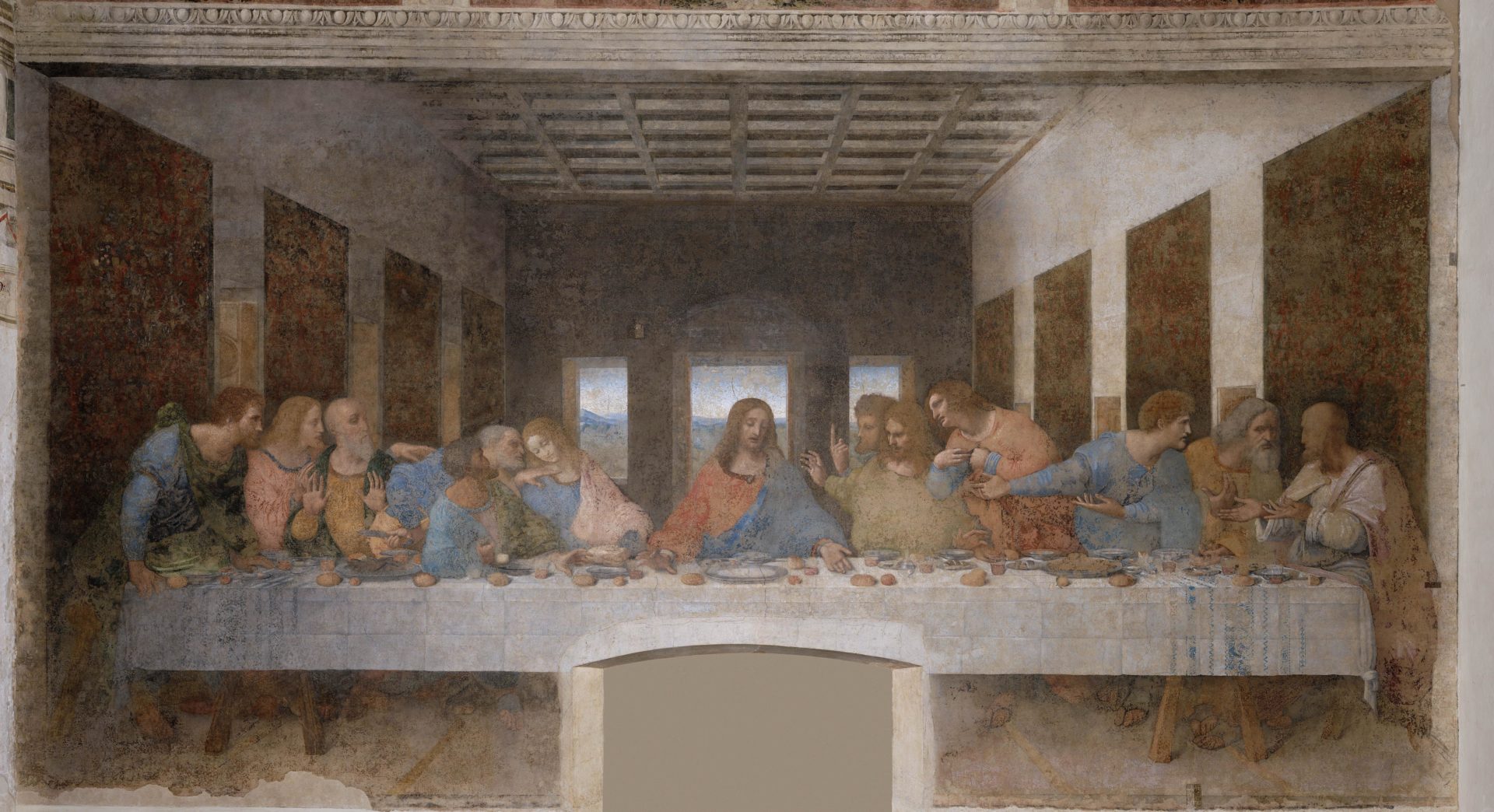
CENACOLO VINCIANO (LEONARDO’S LAST SUPPER) | Piazza di Santa Maria delle Grazie, 2 | Link to online tickets

Leonardo Da Vinci’s most famous work, Last Supper or Cenacolo Vinciano, as it is called here, was painted on the wall in tempera between 1495 and 1497. Instead of earlier static representations of Christ’s last meal with his disciples, Da Vinci presents a dramatic depiction of the scene, which was quite novel and marked an important new stage in the development of art. Entrance is limited and restricted to those with advanced timed tickets. Tickets for September will become available and sell out in April/May 2026.
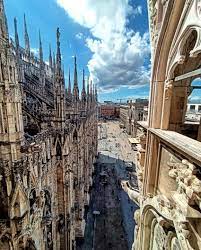
MILAN CATHEDRAL’S TERRACES | Piazza del Duomo | Different tickets available online

Milan’s cathedral houses 3,500 statues, 135 spires and 200 bas-reliefs that can be observed from a unique point of view: it is possible to walk on the terraces of the Duomo and from there enjoy close-up not only the vision of spires, statues and the famous Madonnina d’oro but also a panoramic view of the city: from Piazza del Duomo to the modern skyscrapers of Porta Nuova and Citylife.
GIARDINI MONTANELLI |Via Palestro, 20

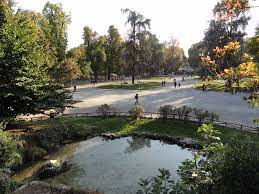
The Indro Montanelli gardens are a few steps away from the Milan Summer School location. They are a large city park with an overall area of 160.000 square meters. The park also has several attractions like the Palazzo Dugnani, a remarkable palace from the seventeenth century and the Museo Civico di Storia Naturale di Milano (Natural History Museum), dedicated in part to the mineralogy and zoology, or the highly recommendable Modern Art Gallery. The park is full of trees, fountains and green spaces. The park is one of the favourite spots to have an aperitif and rest during summer.
Please note:

  • Participation in cultural and social activities is NOT compulsory and entirely optional;
  • The guided walking tour will be in English;
  • Suggested activities are not included in the fee.

If you want to join, ask for information at the Help Desk or send an email to santoro@csilmilano.com.
SCIENTIFIC COMMITTEE

Prof Massimo Florio (University of Milan/CSIL), Silvia Vignetti (CSIL),
Jessica Catalano (CSIL), Chiara Pancotti (CSIL)

ORGANISING COMMITTEE

Claudia Santoro (CSIL), Jessica Catalano (CSIL).


    dinnercoffee-cupquestion-circle